Science, sourced
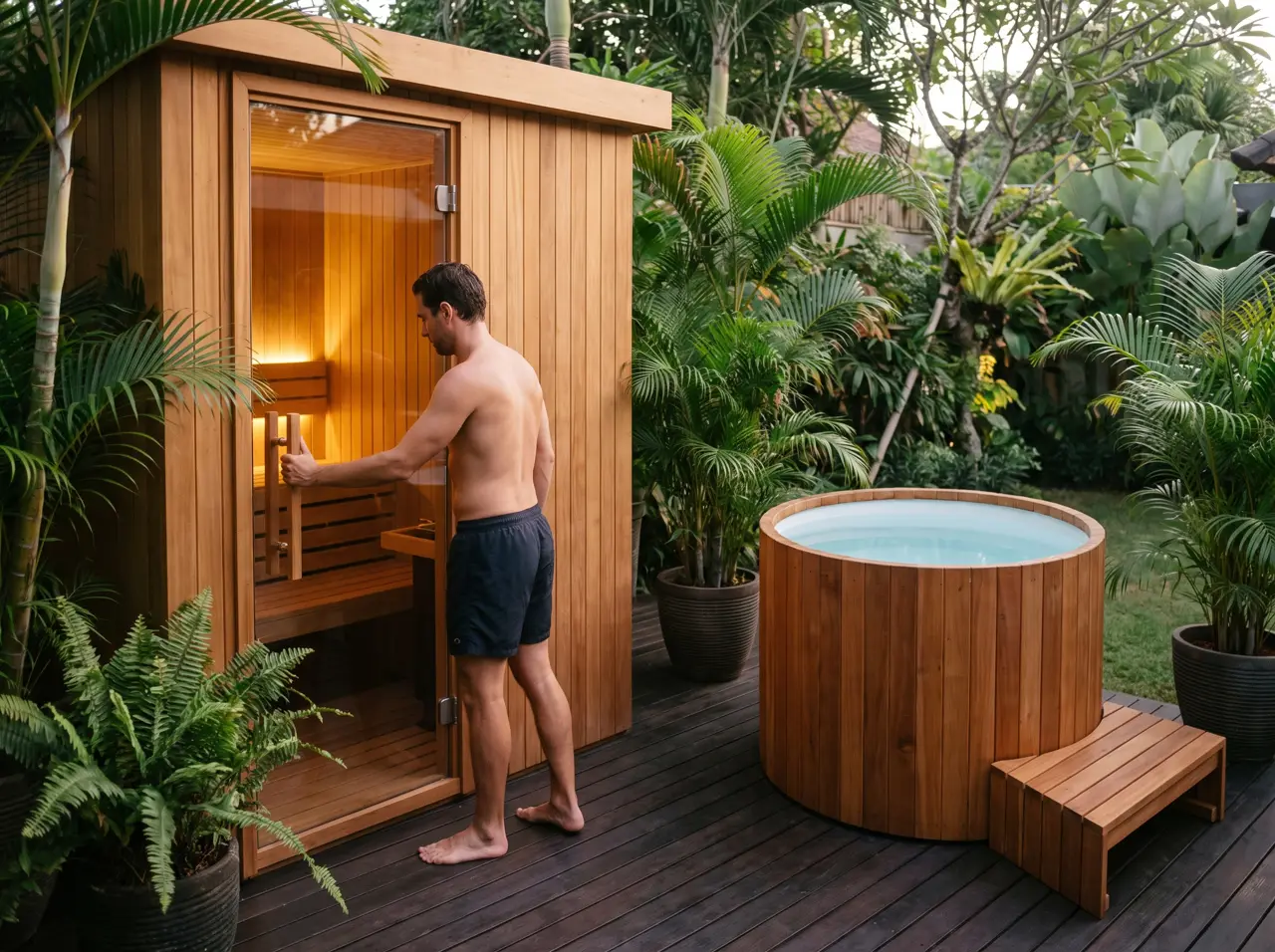
The sauna-to-ice-bath ritual is having its moment, and the marketing has sprinted ahead of the studies. Here is the honest middle: what peer-reviewed research supports, what is promising, and what remains gym-floor folklore.
Science guide · 2026-09-02
We build contrast circuits for a living, so take our bias as declared. That is exactly why this page cites primary sources: when a hotel GM or a club committee asks "does this work?", the answer should not come from a brochure.
The most-quoted number in the industry is real, if often mis-attributed: immersion in 14 °C water raised dopamine by ~250% and noradrenaline by ~530% in a controlled study (Sramek et al., European Journal of Applied Physiology, 2000). Warm water did not do this - the cold is the ingredient. That neurochemical jolt is the alert, bright-mood feeling users describe.
For muscles, the meta-analysis of 18 randomised trials found contrast water therapy reduces delayed-onset soreness versus passive rest at every measured point up to 96 hours after exercise (Bieuzen, Bleakley & Costello, PLOS ONE, 2013). The effect is modest, not magical - but it is consistent, which is more than most recovery fads can say.
Dose matters. A second meta-analysis pinned the sweet spot for soreness relief at 11-15 °C for 11-15 minutes (Machado et al., Sports Medicine, 2016) - not the 3 °C bravado contests of social media. Our temperature guide translates this into venue protocols.
The landmark sauna dataset followed 2,315 Finnish men for 20.7 years: those using a sauna 4-7 times a week had a 63% lower rate of sudden cardiac death than once-a-week users, with all-cause mortality 40% lower (Laukkanen et al., JAMA Internal Medicine, 2015). Sessions over 19 minutes outperformed sessions under 11. One discipline note: this is an observational association in one population - encouraging, repeatedly confirmed in that cohort, but not a prescription.
The famous 'Soberg protocol' numbers come from a small but careful study of winter swimmers who combined ~11 minutes of cold and ~57 minutes of sauna per week and showed enhanced brown-fat thermogenesis versus controls (Soberg et al., Cell Reports Medicine, 2021; n=8+8 - treat the specific minutes as a description of what worked, not a law). In practice, the circuit also solves a design problem: heat makes the cold tolerable for beginners, and the alternation is the ritual people rebook.
| Claim | Evidence | Verdict |
|---|---|---|
| Less muscle soreness | 18-RCT meta-analysis (2013) | supported, modest |
| Dopamine/alertness jump | controlled study, 14 °C (2000) | supported |
| Cardio associations (sauna) | 20.7-yr cohort (2015) | association, strong |
| Brown-fat activation | small trial (2021) | promising, small n |
| 'Boosts immunity', 'burns fat' | - | marketing, skip it |
If you are pricing the hardware behind the protocol: saunas, ice baths and chillers each carry honest bands, and the configurator assembles a circuit in 90 seconds.
No. The meta-analytic sweet spot for soreness is 11-15 °C. Below 8 °C is an experienced-user preference, not a proven upgrade - and a commercial venue should default to the evidence.
For soreness relief, within the first hours works in the trials. One nuance for strength athletes: some evidence suggests routine immediate icing may blunt hypertrophy signalling - many coaches keep hard-gain blocks cold-free and use the tub on conditioning days.
Convention and comfort say heat first, cold to finish. Beginners tolerate the protocol far better that way - and finishing cold sends guests out sharp rather than sleepy.
Yes - uncontrolled blood pressure, cardiovascular conditions, pregnancy and more. Every zone we hand over includes a posted notice; guests with conditions should clear it with a doctor first.
Keep reading
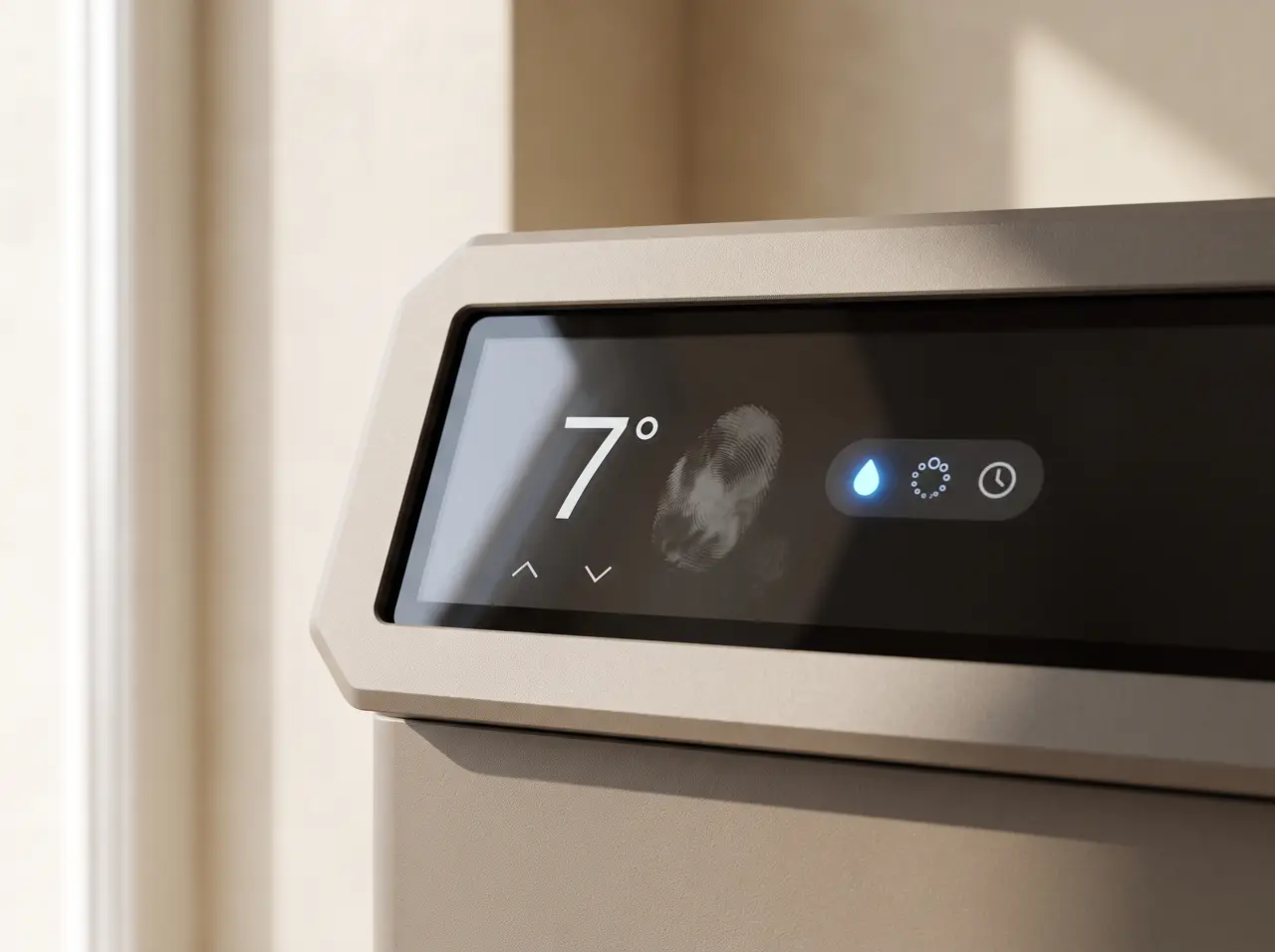
From first-timer 12 °C to athlete 5 °C: protocols per audience, sourced.
View →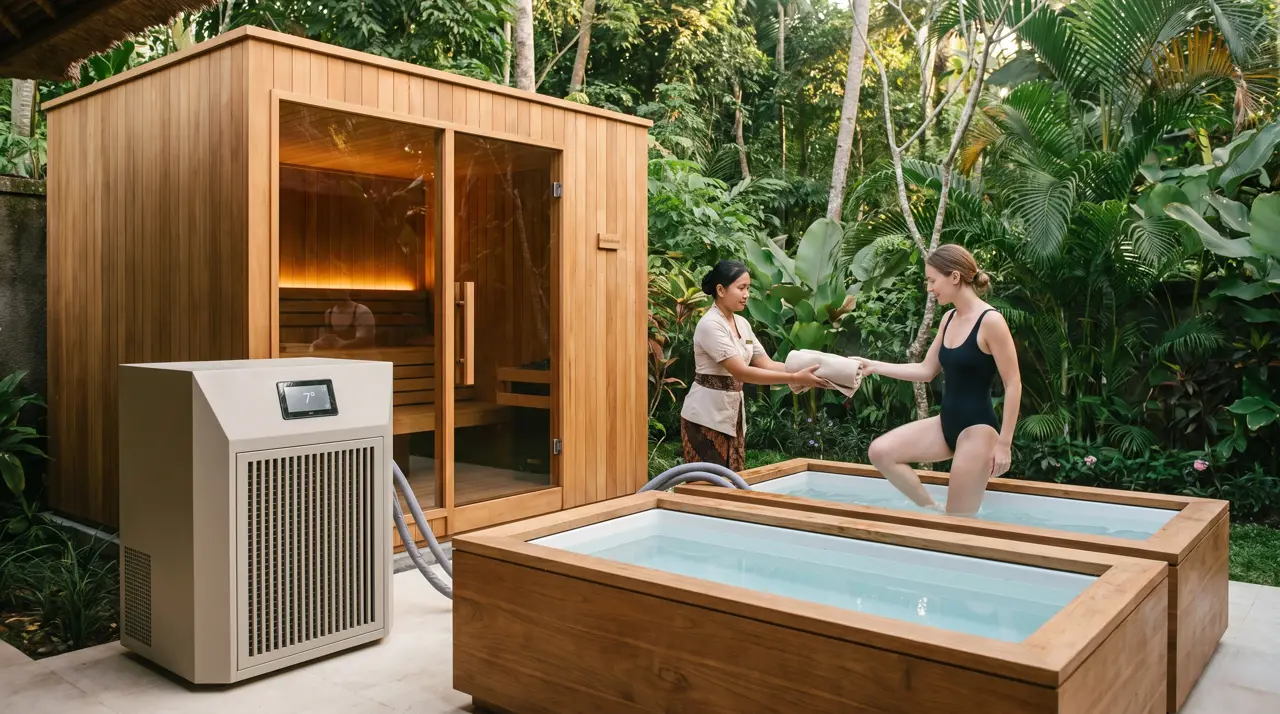
Rate, stay length, low season, day passes: the hotel wellness model with sources.
View →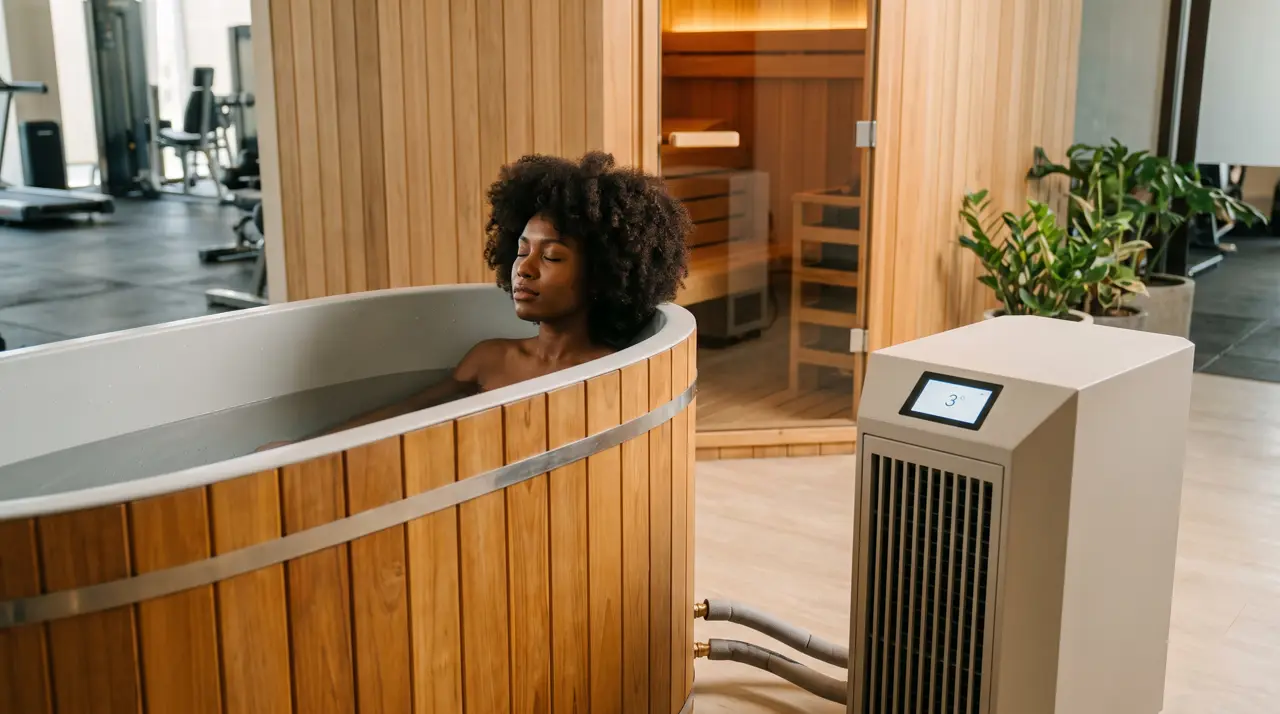
Premium tiers, churn logic and the cases behind recovery's gym-economics claim.
View →Questions?
Tell us about the property - we reply with a layout sketch, equipment list and an indicative budget.